Essential Timeline for Wedding Dress Alterations to Ensure a Perfect Fit on Your Big Day
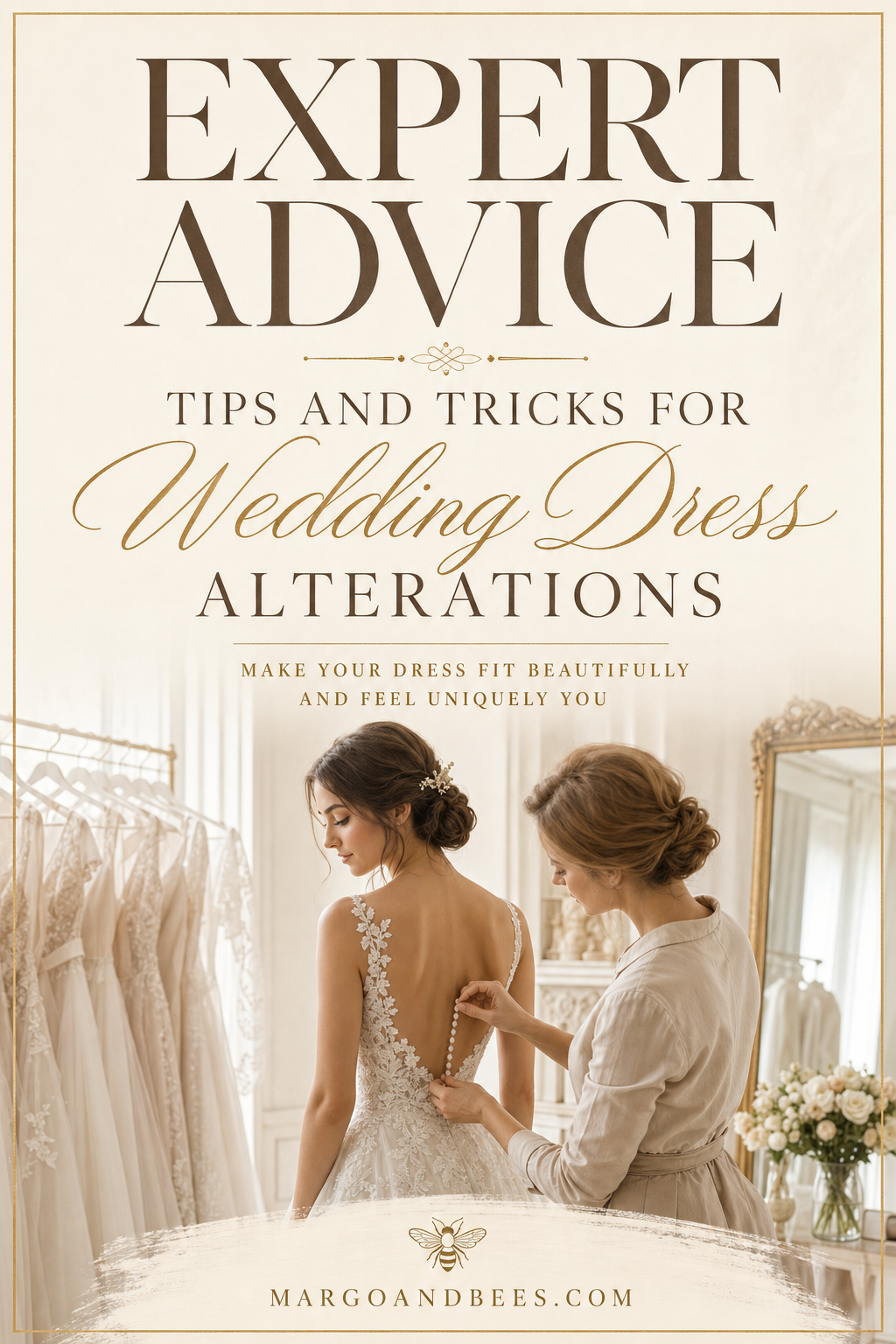
Planning your wedding is an exciting yet sometimes overwhelming journey. One of the most important elements to get right is your wedding dress fit, which requires careful planning and timing. With years of experience advising brides, we understand how crucial it is to start the alteration process early to avoid last-minute stress. In this post, we’ll guide you through the essential timeline for wedding dress alterations, key steps to expect at each fitting stage, and expert tips on collaborating with your seamstress. To begin perfecting your bridal look, check out this Essential Guide to Wedding Dress Alterations Timeline.
Understanding the Importance of a Wedding Dress Alteration Timeline
Why Timing Matters for Dress Alterations
Your wedding dress is often the centerpiece of your bridal look, and ensuring it fits perfectly requires a carefully planned timeline. Delaying alterations can cause unnecessary stress, limit adjustment options, and increase costs. Starting early gives ample room for multiple fittings and adjustments.
How Dress Alterations Impact Your Overall Wedding Planning
Coordinating your dress alterations with other wedding details—including sending invitations, arranging hair and makeup trials, and coordinating with bridesmaids—ensures a cohesive and smooth preparation process. For example, having your dress finalized before finalizing your wedding day accessories helps maintain style harmony.
Key Milestones to Mark on Your Calendar
- Choosing your dress
- First fitting
- Second fitting
- Final fitting
- Pick-up day
When to Start Your Wedding Dress Alterations
The Ideal Time to Begin Alterations
Most bridal experts recommend starting alterations approximately 3 months before your wedding day. This timing provides about 8-12 weeks to accommodate 2-3 fittings and adjustments.
Factors Affecting the Alteration Start Date
- Your dress fabric and design complexity
- Weight fluctuations leading up to the wedding
- Seamstress availability and booking schedules
How to Align Your Timeline with Dress Delivery
If your dress is custom-made or ordered from a boutique, anticipate delivery times and factor them in. Typically, dresses arrive 3-6 months before the wedding, so ensure your seamstress isn’t booked solid when your gown arrives. This is especially important when ordering from select designers or specialty boutiques like Margo & Bees.
What to Expect at Each Fitting Stage
First Fitting: Initial Adjustments and Assessments
The first fitting serves as the baseline. Your seamstress will assess how the dress fits your body and mark areas needing alteration. Expect to try on the dress with the shoes and undergarments you plan to wear on your wedding day.
Second Fitting: Fine-Tuning the Details
About 4-6 weeks before the wedding, the second fitting focuses on refining the fit after the initial adjustments. This stage may include hemming, bust or waist reshaping, and ensuring comfort and mobility.
Final Fitting: Perfecting the Fit and Ready for the Big Day
Typically 1-2 weeks before the wedding, the final fitting confirms that every adjustment fits flawlessly. This is your last chance to address any discomfort or loose hems.
Tips for Working Effectively with Your Seamstress
Communicate Your Priorities Clearly
Be upfront about what aspects of the dress are most important to you. Whether you want a cinched waist, perfect bust support, or delicate sleeve adjustments, clear communication saves time and avoids misunderstandings.
Bring All Wedding Accessories to Fittings
Bringing shoes, veils, and jewelry helps the seamstress tailor the dress fit considering the entire bridal look. It ensures your hem length matches your shoe height and that the dress doesn’t interfere with accessories.
Don’t Ignore Red Flags
Watch out for rushed fittings, lack of detailed consultation, or poor feedback. A professional seamstress should be patient, precise, and open to your needs. If you feel uncertain, consider seeking a second opinion.
TIP: Keep a folder with photos and notes from each fitting appointment to track progress and important measurements.
Coordinating Dress Alterations with Other Wedding Preparations
Sending Invitations and Dress Timeline
Sending out your wedding invitations typically happens around 6-8 weeks before the big day—often during your second fitting phase. This is a good time to confirm your dress is on track so you can confidently plan your final look.
Scheduling Hair and Makeup Trials
Plan hair and makeup trials around the second fitting so you can test styles alongside your dress fit. This helps create a cohesive aesthetic and highlights how your neckline or earrings work with your overall look.
Bridesmaids’ Dresses and Coordinated Styling
Your wedding dress timeline can influence when bridesmaids receive their dresses and schedule fittings. This ensures the entire bridal party is photo-ready and styled in harmony with your gown.
How to Handle Unexpected Changes or Delays
Planning for Last-Minute Weight or Size Changes
It’s normal for brides to experience slight size fluctuations. Maintain communication with your seamstress and schedule an additional fitting if necessary. Allowing a buffer week between final fitting and the wedding reduces stress.
Dealing with Dress Damage or Repairs
If your dress gets damaged or stained before the wedding, contact your seamstress immediately. Professional alterations boutiques often offer emergency repair services, but quick action is essential.
Adjusting Your Timeline if You Change Your Wedding Date
Should your wedding date move, inform your boutique and seamstress as soon as possible. This flexibility allows them to reschedule fittings or preserve dress integrity if additional storage is needed.
FAQ
How early should I order my wedding dress before alterations?
It’s best to order your dress 6-9 months before your wedding to allow ample time for delivery and alterations.
How much do wedding dress alterations typically cost?
Costs vary depending on complexity but generally range from $200 to $800. More intricate designs and extensive changes will be at the higher end.
Can alterations be done closer to the wedding date?
While possible, waiting too long increases the risk of rushed work and limited alteration options. Starting at least 3 months prior is advisable.
What should I wear to my wedding dress fittings?
Wear your wedding shoes and similar undergarments to get the most accurate fit during each appointment.
How many fittings will I typically need?
Most brides require 2-3 fittings: initial, middle, and final, although this can vary by dress type and fit needs.
What if I gain or lose weight during the alteration period?
Keep your seamstress informed immediately. They can often accommodate minor changes but large fluctuations may require additional fittings or adjustments.
Properly timing your wedding dress alterations is essential to feeling confident and stunning on your big day. Start early, communicate effectively, and coordinate with your overall wedding planning for flawless results. To help you design your perfect schedule, explore the full Essential Guide to Wedding Dress Alterations Timeline and ensure your gown fits like a dream.
Ready to Get Started?
Don’t leave your dream dress to chance. Plan your alterations timeline carefully and partner with experienced professionals. Visit Margo & Bees today to access the complete guide and expert tips that will make your wedding dress journey smooth and stress-free.
#wedding #bridetobe #weddinginvitations #weddinginspo #weddingdecor #weddingdress #bridalalterations #weddingplanning
Check out this product from our collection: 04/laceWw/z
You might also love: 01/laceFalgold/z