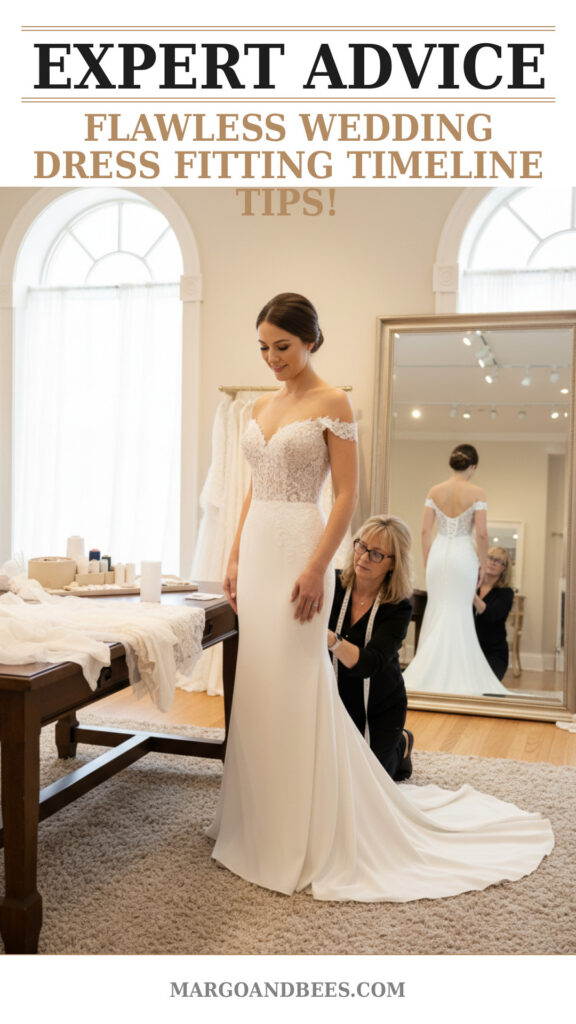
Planning the perfect wedding dress fitting timeline: expert guide to flawless alterations and stress-free preparation
Every bride knows that the wedding dress is more than just fabric and lace—it’s a cherished symbol of your big day. But ensuring that your gown fits perfectly takes foresight, careful planning, and expert guidance. Knowing when to schedule your dress alterations can ease anxiety and guarantee you look impeccable on your special day. In this post, we’ll share a comprehensive timeline for wedding dress fittings, reveal insider tips on communicating with your seamstress, and explain how to adapt the process as your body changes. Ready to master the art of the perfect dress fitting? Discover all details and more in the Perfect Wedding Dress Fitting Guide.
Understanding the Importance of Timing: When to Start Dress Alterations
The Ideal Window: 4 to 8 Weeks Before Your Wedding
Starting dress alterations too early might result in ill-fitting changes by the wedding day, while waiting too long can cause unnecessary stress. The ideal timeframe is generally between 4 and 8 weeks before your ceremony. This period allows your seamstress enough sessions to shape the dress perfectly, factoring in possible body changes and final touches.
Scheduling Your First Fitting
Your first fitting usually happens 4 to 6 weeks before the wedding. This initial session focuses on identifying the major alterations needed, such as hemming or adjusting seams to contour your shape. It also sets the foundation for upcoming adjustments, making it essential to be as prepared as possible.
Why Timing Matters for Seamstress Availability
Popular seamstresses can book up quickly, especially in the busy wedding season. By booking your alteration appointments early within the 4-8 week window, you ensure that your experienced tailor has ample time to devote to your gown without last-minute rushes.
Preparing for Your Dress Fittings: How to Get Ready
Wear the Right Undergarments
To replicate the exact silhouette on your wedding day, wear the undergarments you plan to wear under the gown during every fitting. This includes bras, shapewear, and shoes with the correct heel height. They can drastically alter the way your dress fits.
Stay True to Your Final Wedding Look
Avoid major body changes such as drastic diets or new exercise routines right before the wedding. Consistency helps the seamstress anticipate your body shape better and prevents last-minute alteration chaos.
Bring Inspiration and Ask Questions
Gather photos or sketches of alterations you admire to communicate your vision effectively. Plus, don’t hesitate to ask your seamstress about potential challenges or alternative designs to keep your expectations realistic.
Key Adjustments During Your Wedding Dress Fittings
Taking Measurements Accurately
Each fitting begins with precise measurement updates. This ensures every tuck, dart, and hem is positioned correctly, allowing your gown to hug your figure beautifully without discomfort.
Pinning and Marking Process
The seamstress uses pins and chalk marks to map out where fabric needs to be taken in or let out. This visual process helps you understand what changes are being made and where.
Adjusting for Comfort and Mobility
A perfect fit also means ease of movement. Discuss with your seamstress about how much flexibility you’ll need for dancing, sitting, and walking, ensuring you won’t feel restricted.
Communicating Effectively with Your Seamstress
Setting Clear Expectations Early
From your initial consultation, communicate your priorities. Whether it’s tightness in the waist or length adjustments, clarity helps your seamstress allocate time and resources appropriately.
Providing Feedback After Each Fitting
Be honest and specific about what feels right or uncomfortable. Open communication prevents misunderstandings and ensures the final dress matches your vision.
Requesting Additional Touches
Beyond structural adjustments, ask about cosmetic enhancements such as adding beads, lace overlays, or adjusting the neckline. These personal flourishes can be scheduled within the fitting timeline as well.
Adapting the Fitting Process to Body Changes
Anticipating Natural Fluctuations
Your body may change due to stress, diet, or hydration. It’s important to keep your seamstress informed of any weight gain or loss so alterations can be adjusted accordingly.
Dealing with Last-Minute Changes
Unexpected changes can occur even days before the wedding. Having your seamstress’s contact information handy enables quick consultations and minor fixes to resolve issues efficiently.
Maintaining Dress Shape Until the Big Day
Store your dress properly between fittings to preserve its shape and fabric integrity. Avoid hanging heavy dresses unprotected and follow care instructions provided by your seamstress.
Balancing Dress Fittings with Other Pre-Wedding Activities
Scheduling Around Key Events
Plan your dress fittings to avoid conflicts with major pre-wedding events such as bridal showers, rehearsal dinners, or beauty appointments. This scheduling reduces stress and ensures you’re fully focused.
Managing Time Efficiently
Each fitting session typically lasts 30 minutes to an hour. Block out sufficient time, factoring in travel or preparation, so your experiences remain enjoyable rather than rushed.
Keeping Track of Appointments
Use digital calendars or wedding planning apps to receive reminders and keep all alteration dates organized. This simple habit helps you stay on track effortlessly.
TIP: Bookmark the Perfect Wedding Dress Fitting Guide to refer back to our expert timeline and tips anytime during your wedding preparations.
FAQ
How many fittings will I need for my wedding dress?
Most brides have between two to four fittings within the 4-8 week period before the wedding. This range allows enough time for major and minor adjustments, preserving flexibility if your body changes.
What if my weight changes drastically before the wedding?
Inform your seamstress immediately. Adjustments can often be managed with increased alterations, but starting as soon as possible is crucial to avoid last-minute stress.
Can I bring someone with me to my fittings?
Yes! Bringing a trusted friend or family member can offer additional feedback and emotional support. However, ensure the group stays small to allow space and focus for the seamstress.
How much do wedding dress alterations typically cost?
Costs vary depending on complexity and location, but most alterations fall between $200 to $800. Always ask your seamstress for an estimate to budget accordingly.
When should I order my dress to accommodate the alteration timeline?
Ideally, order your dress at least 6 months before the wedding to leave ample time for delivery, unexpected delays, and scheduled fittings within the 4-8 week window.
Can I make changes to my dress design during alterations?
Minor design changes are often feasible during fittings, such as adjusting necklines or adding embellishments. Discuss your ideas early with your seamstress to confirm what’s possible.
Ensuring a perfect fit for your wedding dress can feel overwhelming, but with the right timeline and expert guidance, it becomes an enjoyable part of your journey. Remember, early planning and open communication are your best allies. For detailed insights and practical advice, visit the Perfect Wedding Dress Fitting Guide—your trusted companion for flawless wedding gown preparations.
Start your stress-free wedding dress journey now by exploring the comprehensive guide at https://margoandbees.com/.
#wedding #bridetobe #weddinginvitations #weddinginspo #weddingdecor #weddingdress #weddingplanning #bridalfashion #weddingtips

