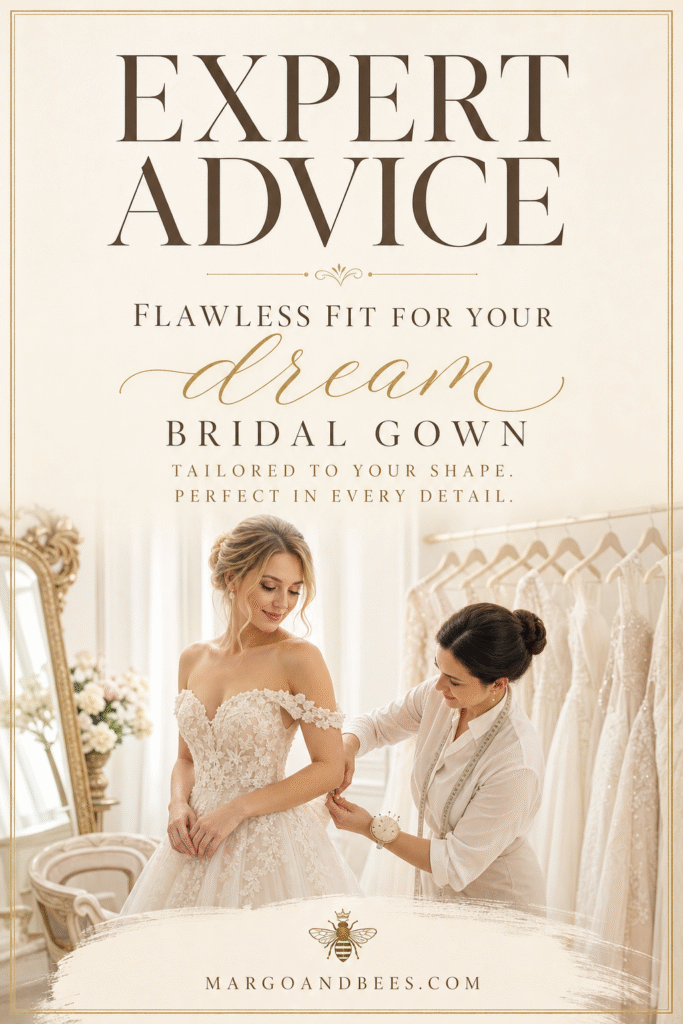
Ultimate Guide to Wedding Dress Fittings & Alterations for a Perfect Bridal Look
Choosing the perfect wedding dress is only part of the journey toward your dream wedding day. Wedding dress fittings and alterations play a crucial role in ensuring your gown fits flawlessly and enhances your confidence. Understanding the timeline, common adjustments, and emotional significance can make this experience truly special. In this expert guide, you’ll discover how to plan your fittings, what alterations to expect, and tips for selecting the right seamstress. Ready to achieve the perfect fit? Explore the ultimate resources at Margo and Bees.
Why Wedding Dress Fittings Are Essential for Brides
The Importance of a Perfect Fit
Your wedding dress should not only look stunning but fit like a second skin. Proper fittings ensure that every curve is accentuated, and any discomfort is eliminated. Alterations tailor the gown to your unique shape, highlighting your best features and allowing you to move with ease on your special day.
How Fittings Enhance Your Wedding Experience
Beyond the technical aspect, fittings are an emotional milestone. Seeing your dress transform into a perfect fit brings excitement and reassurance. It is the moment when the dream begins to materialize, boosting your confidence as you prepare to walk down the aisle.
Common Misconceptions About Alterations
Many brides believe their dress will fit perfectly right off the rack. However, even high-end gowns require adjustments to suit your individual body shape and the style you envision. Understanding alterations helps set realistic expectations and ensures you plan accordingly.
Ideal Timeline for Wedding Dress Fittings
Starting 8-12 Weeks Before the Wedding
The recommended window for initiating dress fittings is 8 to 12 weeks before your wedding day. This timeline allows ample opportunity for multiple sessions to adjust the fit without rushing, accommodating any last-minute changes in weight or preferences.
Scheduling Multiple Appointments
Typically, brides will need 2 to 3 fittings. The first ensures initial alterations such as pinning hems or adjusting the bodice. The second focuses on refining details, while a final fitting, usually 2 weeks before the wedding, confirms the perfect fit and final hem length.
Why Timing Matters for Stress-Free Planning
Booking fittings within this timeline helps avoid unnecessary stress and last-minute alterations. Late adjustments can be costly and may not guarantee perfect results. Planning early ensures your dress will look impeccable and ready to wear.
Common Alterations to Expect
Hem Shortening
One of the most frequent alterations, hem shortening ensures your dress doesn’t drag or cause tripping. The exact length depends on your height and chosen footwear, so bring your wedding shoes to each fitting for accuracy.
Bodice Refinement
Tightening or loosening the bodice enhances comfort and silhouette. Seamstresses may take in side seams, adjust darts, or add boning for structure. This alteration often makes the biggest difference in how your dress flatters your shape.
Adjusting Straps and Sleeves
Straps may need to be shortened or added to prevent slipping, while sleeves can be tailored for comfort and style. Whether you prefer off-shoulder, cap sleeves, or lace details, these changes personalize your gown to perfection.
Emotional Significance of Final Fittings
Seeing Your Dream Dress Come to Life
The final fitting is an intimate moment where anticipation and joy converge. Your gown fits like it was made just for you, reflecting months of planning and excitement. It’s a time to appreciate the craftsmanship and your evolving bridal image.
Building Confidence for Your Wedding Day
Knowing your dress fits impeccably boosts self-esteem and reduces anxiety. This confidence radiates on your wedding day, allowing you to focus on creating memories rather than worrying about your outfit.
Memorable Experience Worth Cherishing
Many brides cherish their final fitting as a memorable milestone, often accompanied by close family or friends. It marks the culmination of your bridal preparations and embodies the journey you’ve embarked on.
Tips for Choosing the Right Seamstress
Research and Reviews
Start by researching local seamstresses with experience in wedding gown alterations. Look for reviews and testimonials that demonstrate skill and professionalism. A trusted expert ensures your dress fits exactly as envisioned.
Ask About Experience with Wedding Dresses
Wedding gowns often require delicate handling and specialized techniques. Confirm your seamstress has experience working with bridal fabrics, beading, and lace to avoid accidental damage.
Clear Communication for Desired Customizations
Effective communication is key. Bring inspiration photos, discuss your preferences, and don’t hesitate to express concerns. A good seamstress listens and offers professional advice to achieve your dream look.
TIP: Always schedule your first fitting with shoes and undergarments you plan to wear on the wedding day. This ensures the most accurate alterations.
How to Communicate Customization Requests Effectively
Prepare Reference Images
Visual aids help articulate your vision clearly to your seamstress. Whether it’s a neckline change or adding lace details, photos eliminate misunderstandings.
Be Open to Professional Advice
Your seamstress’s expertise is invaluable. They can recommend adjustments to enhance comfort and style that you might not have considered.
Confirm Alteration Details in Writing
Document agreed-upon changes and timelines to avoid surprises. Written confirmations help keep everyone on the same page throughout the process.
Conclusion: Achieving the Perfect Fit with Expert Guidance
Wedding dress fittings and alterations are a vital part of the bridal journey, ensuring your gown fits impeccably and boosts your confidence. By starting 8-12 weeks before your wedding and scheduling multiple appointments, you allow your seamstress sufficient time for precise adjustments. Common alterations such as hem shortening, bodice refinement, and strap adjustments personalize your dress to your unique body and style. This process culminates in an emotional final fitting where your dream dress becomes reality.
Choosing an experienced seamstress and communicating clearly will make the entire experience pleasurable and stress-free. For comprehensive guidance on every step of your wedding dress journey, visit Margo and Bees and access the ultimate guide to wedding dress fittings and alterations.
FAQ
How many wedding dress fittings do I typically need?
Most brides require 2 to 3 fittings, beginning 8-12 weeks before the wedding to allow adjustments and final touches.
When should I schedule my first fitting?
Ideally, your first fitting should occur between 8 and 12 weeks prior to your wedding day to ensure enough time for all alterations.
What are common wedding dress alterations?
Common adjustments include hem shortening, bodice refinement, strap or sleeve modifications, and sometimes adding or removing embellishments.
How do I choose the right seamstress?
Look for a seamstress with proven experience in bridal tailoring, good reviews, and clear communication skills. Professionalism and familiarity with wedding fabrics are crucial.
How can I effectively communicate my desired customizations?
Bring reference images, be clear about your preferences, listen to your seamstress’s advice, and keep alteration agreements documented.
Is it okay to bring my wedding shoes to fittings?
Yes, bringing your wedding shoes helps achieve the correct hem length and ensures the dress fits perfectly with your complete look.
Discover more tips and book your wedding dress fittings to ensure your gown is flawless for your special day.
#wedding #bridetobe #weddinginvitations #weddinginspo #weddingdecor #weddingdress #bridalfitting #weddingalterations
Check out this product from our collection: 21/rus1/CT
You might also love: 01/ACMirr/PboxG


