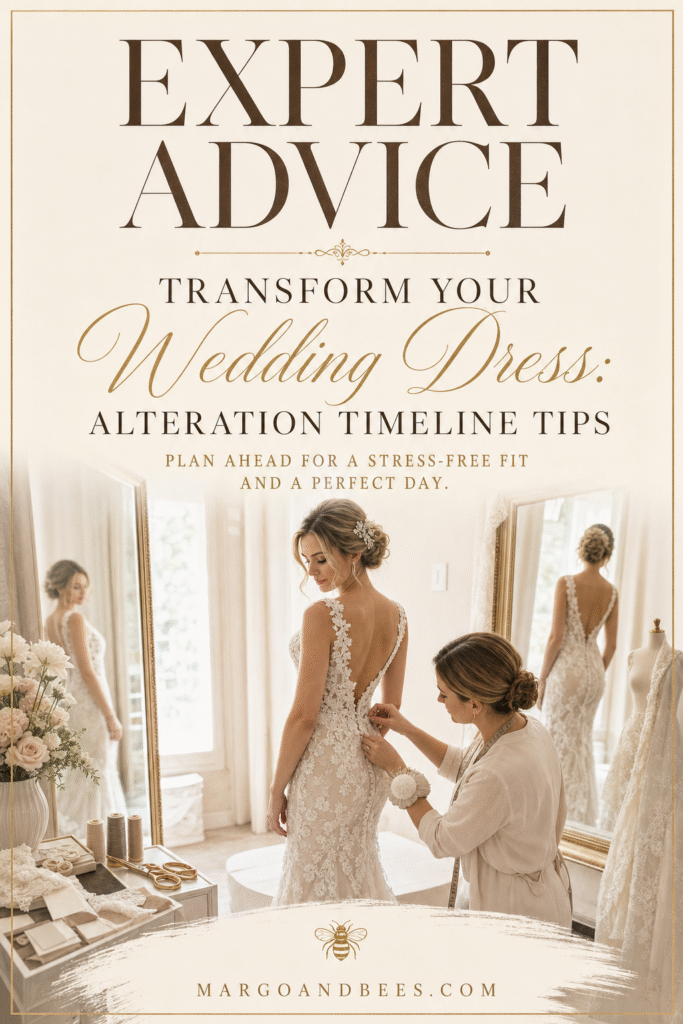
Mastering wedding dress alterations: key timelines & expert tips to ensure the perfect fit
Planning your dream wedding dress is an exciting journey, but the alteration process can sometimes feel overwhelming and stressful. Understanding the timelines, knowing what to expect at fittings, and having clear communication with your seamstress are essential steps to achieving that flawless look on your big day. As wedding dress alterations can be intricate and detailed, it’s crucial to start early and budget accordingly. In this comprehensive guide, we will walk you through everything you need to know about wedding dress alterations—from when to begin, how to prepare for fittings, to selecting the right professional for the job. Ready to make your gown fit like a glove? Discover expert advice at Margo and Bees and turn your wedding vision into reality.
Why Starting Wedding Dress Alterations Early Matters
The Ideal Timeline for Beginning Alterations
Knowing when to start your wedding dress alterations is key to avoiding last-minute stress. Most experts recommend beginning the process 3 to 4 months before your wedding date. This gives ample time for multiple fittings and any unexpected adjustments.
Risks of Delaying Alterations
Procrastinating on alterations can lead to rushed work, which compromises the quality and fit of your gown. Additionally, finding the right seamstress available on short notice can be challenging.
How Early Scheduling Can Affect Your Wedding Planning
Starting early helps you coordinate the alteration timeline with other wedding preparations, ensuring that your dress is ready well before the big day and reducing overall wedding-day anxiety.
Preparing for Your Wedding Dress Fittings
What to Bring to Your Fittings
To get accurate alterations, bring the right undergarments, shoes with the heel height you plan to wear, and any accessories like veils or belts. This allows your seamstress to ensure the dress fits perfectly with your complete ensemble.
How to Dress and Position Yourself During Fittings
Wear minimal clothing underneath and stand naturally as you would on your wedding day. Communicate how you intend to move and pose so the seamstress can make adjustments that accommodate your comfort and mobility.
Documenting Your Fitting Sessions
Take photos or notes during fittings to track adjustments and discuss any concerns. This documentation helps maintain consistency through the alteration process.
Common Types of Wedding Dress Alterations
Taking In and Letting Out for Fit
Adjusting the dress’s size is a common alteration to ensure the gown contours seamlessly to your body shape. It often involves taking in or letting out seams.
Shortening the Hem
Altering the dress length to suit your height and chosen shoes helps prevent tripping and maintains the dress’s overall silhouette.
Adjusting the Bust and Waist
Tightening or loosening these areas enhances comfort and support, often involving cups insertion or waist cinching depending on the gown style.
Adding Personal Touches
Some brides opt for customizations such as lace appliques, beadwork, or changing straps to personalize their dress further.
Selecting the Right Seamstress for Your Wedding Dress
Where to Find Experienced Wedding Dress Alteration Professionals
Look for recommendations from bridal boutiques or online reviews focused on wedding gown tailoring. Verified portfolios are a great way to assess expertise.
What Qualifications and Skills Matter
Specialized experience with wedding fabrics and design complexity is critical. Ask about prior work, familiarity with different styles, and attention to detail.
Questions to Ask During Your Initial Consultation
- What is your experience with wedding dresses similar to mine?
- How many fittings will be necessary?
- What is your turnaround time?
- What are your policies on changes during the process?
- Can you provide references or show past work?
Effective Communication with Your Seamstress
Expressing Your Vision Clearly
Bring inspiration photos and describe how you want your dress to look and feel. Clear and honest communication can prevent misunderstandings and ensure your expectations are met.
Providing Feedback After Each Fitting
Don’t hesitate to voice concerns or suggest tweaks; fitting sessions are collaborative processes aiming for perfection.
Understanding Professional Advice and Recommendations
Your seamstress has technical expertise—consider their suggestions seriously, as some adjustments may impact the garment’s integrity.
TIP: Always keep a written record of agreed alterations and timelines to avoid confusion.
Estimating and Managing Wedding Dress Alteration Costs
Typical Price Ranges for Various Alterations
Alteration costs can vary widely, from $100 for minor tweaks such as hems to $800 or more for intricate changes including extensive beading or structural fittings.
Budgeting Tips for Brides-to-Be
Set aside a dedicated alteration budget early in your planning. Remember that quality is worth the investment since your dress is a centerpiece of the wedding.
How to Avoid Unexpected Expenses
Request detailed estimates upfront and clarify if multiple fittings are included. Hidden costs often come from late alterations or additional material requirements.
Additional Tips to Reduce Stress During the Alteration Process
Plan Back-Up Options
Consider having a trusted friend attend fittings for second opinions and emotional support.
Maintain Regular Scheduling
Stick to your appointment calendar to avoid delays and last-minute fixes.
Stay Organized
Keep all alteration receipts, notes, and contact information in a dedicated folder to streamline communication.
FAQ
How early should I start my wedding dress alterations?
It’s best to begin alterations 3 to 4 months before your wedding to allow enough time for multiple fittings and adjustments.
How many fittings are typically necessary?
Most brides require 3 to 4 fittings to perfect the fit, but this number can vary based on dress complexity.
What if I gain or lose weight during the process?
Communicate any change in your measurements promptly with your seamstress to adapt the alteration plan accordingly.
How much should I budget for alterations?
Budget between $300 and $800 on average, keeping in mind that elaborate gowns may cost more.
Can all wedding dresses be altered?
Nearly all dresses can be adjusted, but some designs or fabrics may limit certain types of alterations—consult your seamstress early.
When is the final fitting scheduled?
The final fitting is typically scheduled 2 to 3 weeks before the wedding to allow time for any last tweaks.
Mastering your wedding dress alterations is essential for confidently walking down the aisle in a gown that fits beautifully. By following this guide and planning ahead, you can reduce stress and enjoy the excitement of your special day. For trusted experts and exquisite gowns, explore Margo and Bees and begin your seamless bridal journey today.
#wedding #bridetobe #weddingdressalterations #weddingplanning #weddinginvitations #weddinginspo #weddingdecor #bridalstyle #weddingtips
Check out this product from our collection: 02/emjkozl/z25
You might also love: 32/wood/z


