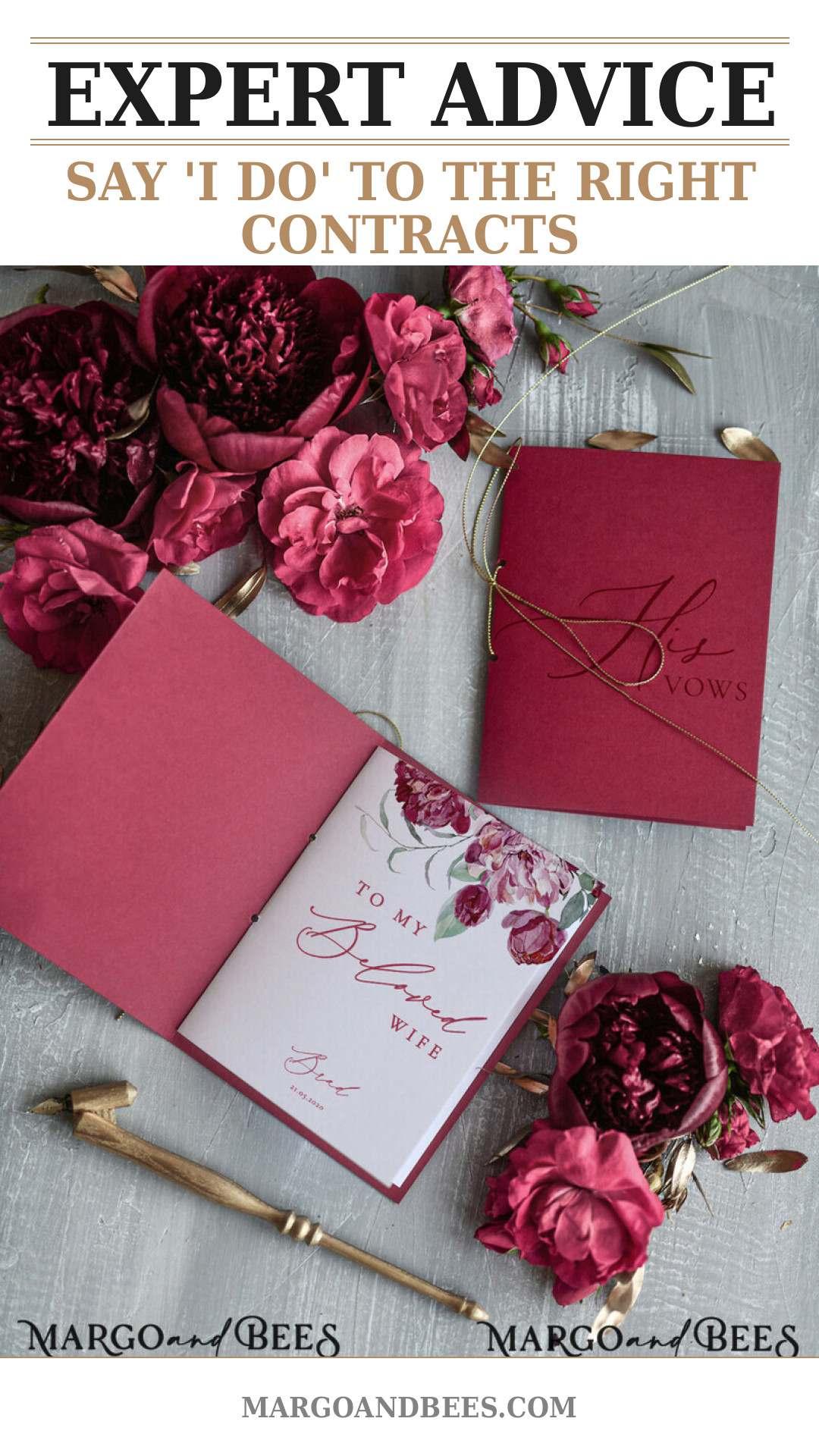
Wedding Vendor Contracts: How to Navigate and Avoid Red Flags for Your Big Day Success
Planning a wedding is a joyful yet complex journey, and one of the most critical steps is securing trustworthy vendors through clear contracts. Many couples feel overwhelmed when faced with legal jargon or vague terms, risking misunderstandings that could impact their special day. In this post, we’ll leverage expert insights to help you confidently navigate wedding vendor contracts and spot common red flags before signing. Whether you are booking caterers, photographers, or stationery providers, this guide will empower you to negotiate effectively and ensure your dream wedding is protected. Ready to simplify your vendor agreements? Explore Navigate Wedding Vendor Contracts: Avoid Red Flags to get started.
Understanding the Importance of Wedding Vendor Contracts
Why Contracts Matter for Brides and Grooms
A wedding vendor contract is more than a formality; it’s a legally binding agreement that outlines the expectations and responsibilities of both parties. Having a solid contract protects you from miscommunication, unexpected fees, or vendor no-shows, turning potential headaches into seamless coordination.
Common Types of Wedding Vendors and Their Contracts
Each vendor type—caterers, photographers, DJs, and stationery providers like those featured at Margo and Bees—has unique contractual nuances. Understanding these differences helps tailor your scrutiny appropriately and ensures every detail matches your vision.
The Role of Clarity and Detail in Contracts
Clear, detailed contracts reduce ambiguity, specifying services, timelines, payments, and cancellation policies. Vendors with comprehensive agreements demonstrate professionalism and build trust, important qualities for your once-in-a-lifetime event.
Identifying Common Red Flags in Wedding Vendor Contracts
Vague Service Descriptions
Watch for broad or non-specific wording like “best efforts” or “standard quality” without further explanation. Such vagueness can lead to services falling short of your expectations on the day, causing disappointment.
Unrealistic or Too-Good-To-Be-True Pricing
Be cautious if a vendor offers significantly lower prices than market rates. This often indicates hidden costs, lower quality, or lack of experience. Always ask for full price breakdowns to avoid surprises.
Unclear Cancellation and Refund Policies
Contracts should clearly state conditions for cancellations or refunds, including timelines and fees. Ambiguous or missing clauses may leave you unprotected if plans change due to unforeseen circumstances.
Absence of Liability and Insurance Clauses
Professional vendors often carry liability insurance covering unforeseen damages. If your contract lacks this clause, you might be liable for accidents, making this an essential point to negotiate.
Effective Strategies to Negotiate Wedding Vendor Contracts
Do Your Homework and Compare Offers
Research multiple vendors and request detailed quotes to understand prevailing market prices. This knowledge strengthens your negotiating power and helps identify reasonable terms.
Ask Specific Questions and Request Clarifications
Never hesitate to ask vendors to explain ambiguous contract terms or to make adjustments accommodating your needs. Vendors invested in client satisfaction will appreciate your professionalism.
Get Everything in Writing
Confirm verbal promises in the contract to prevent misunderstandings. This includes delivery dates, product specifications, and any add-ons discussed during negotiations.
Consult a Legal or Wedding Planning Expert
If certain clauses seem complex or unfair, seek professional advice. Experienced wedding planners or legal advisors can highlight potential risks overlooked by non-specialists.
TIP: Before signing any contract, double-check that the agreed-upon stationery and invitations match exactly what you envision for your wedding day. See examples of customizable designs at Margo and Bees.
Special Considerations When Working With Stationery Vendors
Ensuring Design and Product Accuracy
Stationery vendors should provide proofs and samples aligned with your theme and colors. Your contract should specify the number of revisions allowed and deadlines for final approval.
Turnaround Times and Delivery Dates
Timely receipt of invitations and paper goods is crucial. Contracts must clearly outline production timelines and shipping methods to avoid last-minute delays.
Hidden Costs and Extra Charges
Additional fees can arise for envelope addressing, special inks, or expedited shipping. Clarify these costs upfront in the contract to budget accurately.
Intellectual Property and Custom Designs
Understand who holds the rights to custom artwork or designs and if you’re allowed to use files elsewhere. Your vendor contract should address ownership and reproduction rights explicitly.
Steps To Take Before Signing Your Wedding Vendor Contract
Read Every Clause Thoroughly
A contract is only as good as your understanding of it. Allocate time to read each section carefully, noting any confusing or concerning language.
Verify Vendor Credentials and References
Check reviews, ask for references, and if possible, view past work. Reliable vendors stand behind their contracts and reputation.
Confirm Payment Schedules and Accepted Methods
Contracts should outline deposit amounts, final payment deadlines, and acceptable payment modes, reducing financial risks.
Retain Copies of All Correspondence and Documents
Keep organized records of emails, invoices, and signed contracts for future reference and dispute resolution if necessary.
FAQ
How do I know if a wedding vendor contract is fair?
A fair contract clearly defines services, prices, timelines, and responsibilities without ambiguous terms or hidden fees. Comparing multiple vendors and consulting experts can help judge fairness.
When should I start negotiating with vendors?
Begin negotiations as soon as you’ve shortlisted your preferred vendors, ideally 6-12 months before your wedding date, to secure availability and better terms.
What should I do if the contract contains terms I don’t understand?
Ask the vendor for clarification and, if needed, seek advice from a legal professional or trusted wedding planner to avoid disputes later on.
How much should I expect to pay for wedding invitations and paper goods?
Costs vary by design complexity and quantity but expect to pay a premium for custom or luxury stationery. Detailed quotes at Margo and Bees provide transparent pricing.
Can I request changes to a wedding vendor contract?
Absolutely. Contracts are negotiable documents. Always ensure any changes are documented in writing and signed by both parties before proceeding.
What are the risks of signing a contract without reading it thoroughly?
Risks include unexpected costs, service shortfalls, inability to cancel without penalties, or loss of deposits. Reading carefully ensures informed commitment.
Taking control of your wedding vendor contracts ensures peace of mind and a smoother planning experience. Be proactive, ask questions, and secure agreements that honor your vision. When you are ready to proceed with confidence, visit Navigate Wedding Vendor Contracts: Avoid Red Flags to access essential resources and tools designed specifically for discerning couples.
#wedding #bridetobe #weddinginvitations #weddinginspo #weddingdecor #weddingplanning #weddingtips
Check out this product from our collection: 02/bhKgld/KopMde
You might also love: 1/CLARET/WV